2026-06-04 · 4 min read · Minnesota
New Construction or Resale in Minnesota: How Do I Choose?
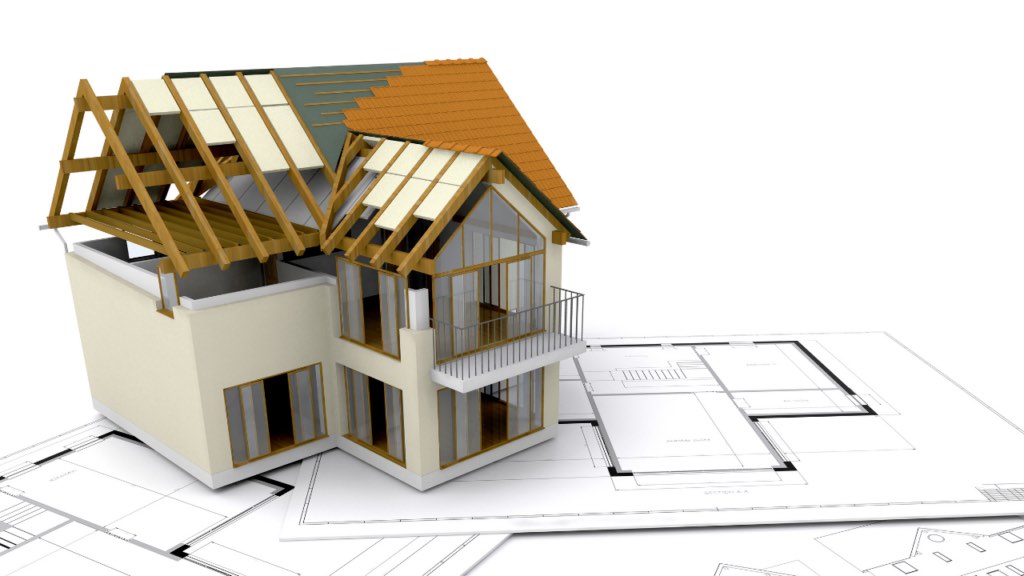
How do you choose between new construction and a resale home in Minnesota? Compare four things: the full cost to move in, the date you need to move, the location you want and the upkeep you are ready to handle. Neither choice fits every buyer. When you answer those four questions in writing, the right fit for your budget and timeline usually becomes clear.
What does each home really cost to move into?
The list price is only the start. A fair comparison adds up everything you will pay in the first year.
For a new home, add these items to the base price.
- Some homesites carry a lot premium.
- Upgrades you choose at the design center.
- You may need to add window coverings, landscaping, a fence or a patio if the base price leaves them out.
- Association dues and any special assessments the community carries.
For a resale home, add these items to the price.
- Repairs the inspection turns up that the seller does not fix.
- Updates you plan to make in the first few years, such as a roof, a water heater or a furnace near the end of its life.
- Association dues, if the home is in an association.
Property taxes can also change the math. Ask the county for the tax history on a resale home. On a new home, ask how the tax is likely to change once the finished house is assessed, since early bills may reflect only the land.
How does your move date change the answer?
A resale purchase often closes in a matter of weeks after your offer is accepted. A home that is not built yet can take months, and the date can move with weather, permits and materials. A finished spec home from a builder sits in between.
Ask yourself these questions.
- When does your lease end, and can it go month to month?
- How long can your lender lock your rate, and what does an extension cost?
- Do you need to move before a school year or a job start?
If your date is fixed, a resale home or a finished new home usually fits better than a home that still needs to be built. If your date is flexible, building can give you more say in the floor plan and finishes. Write your latest possible move date on your comparison sheet, and test every home against it before you fall for a floor plan.
Where are new homes and resale homes found?
Location often decides the question on its own. New construction in the Twin Cities tends to sit where land is available, often on newly developed land in suburbs such as Lakeville and Woodbury. Resale homes are spread across every city, including areas where little new building happens.
Some buyers find that the location they want has only resale homes, and others find that their budget stretches further in a newer community farther out. Make a list of what you need nearby, such as your commute, parks, shopping and services. Then look at where each type of home shows up. Our neighborhood finder can help you narrow the map by price and commute.
How do negotiation and incentives differ?
With a resale home, you make your offer to an owner. Price, repairs, closing cost help and the closing date can all be part of the offer.
With a builder, the base price is usually set for everyone, and the negotiation shows up as incentives. Those might be credits toward closing costs, a rate buydown or upgrade credits. Lenders limit how much of these credits can count. For loans sold to Fannie Mae, the Fannie Mae Selling Guide (B3-4.1-02) treats the builder or the seller as an interested party, and it does not allow those contributions to pay your down payment or reserves. Ask your lender how any credit fits your loan.
What upkeep and protections come with each?
A new home starts with new systems and new finishes. Minnesota law also gives new home buyers statutory warranties. Under Minnesota Statutes 327A.02, the home must be free from defects caused by faulty workmanship and defective materials for one year, from faulty installation of plumbing, electrical, heating and cooling systems for two years, and from major construction defects for ten years, due to noncompliance with building standards.
A resale home comes with a track record you can study. You can read the seller's disclosure, check the age of the roof and systems, and hire an inspector. Many buyers value a yard, trees and a street that are already finished.
Our article on new construction versus resale in Minnesota compares the protections and inspections in more detail. If you lean toward building, read our guide on finding new construction homes in the Twin Cities.
Frequently asked questions
Is a new home cheaper to maintain?
New systems usually need fewer repairs in the early years. You still pay for regular upkeep, and the yard and finishes may need work you did not expect.
Can I negotiate the price on new construction?
Builders often hold the base price and offer incentives instead. Ask what is available and compare it with a resale offer.
Do I need an inspection on a new home?
Many buyers do choose one. An independent inspector can find items for the builder to fix before closing.
Which closes faster?
A resale home or a finished new home usually closes sooner than a home that still needs to be built.
We can tour new and resale homes with you in the same week, so you can compare them side by side. Send us a message or call (651) 661-4770. What questions do you have?